Location
Calle Gravina 14, Sevilla, Spain. 2022.
Project Team
EOVASTUDIO SLP
Client
Private
Program
Housing
Gross Floor Area
205,41 m2



Calle Gravina 14, Sevilla, Spain. 2022.
EOVASTUDIO SLP
Private
Housing
205,41 m2
CASA MELADA
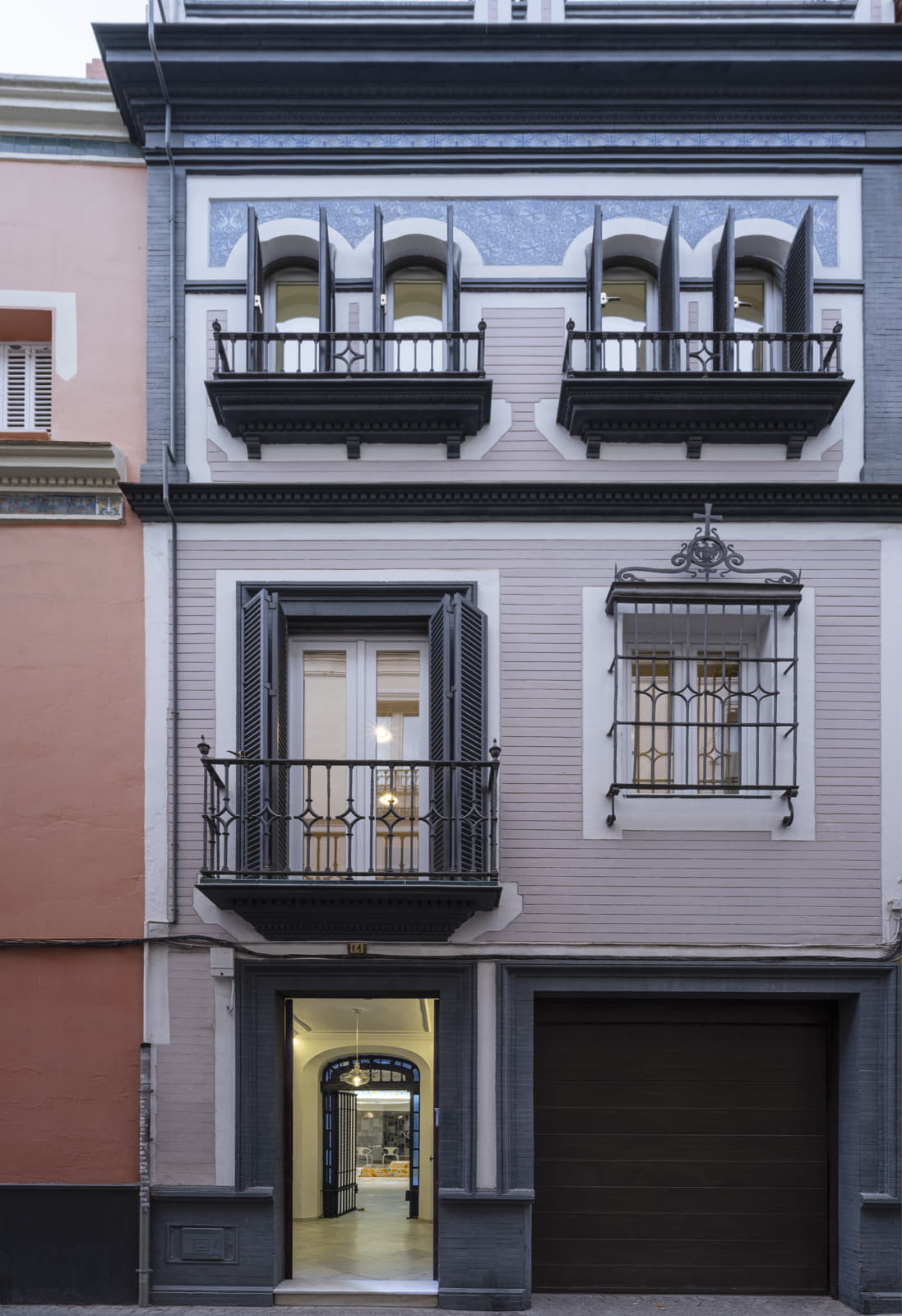
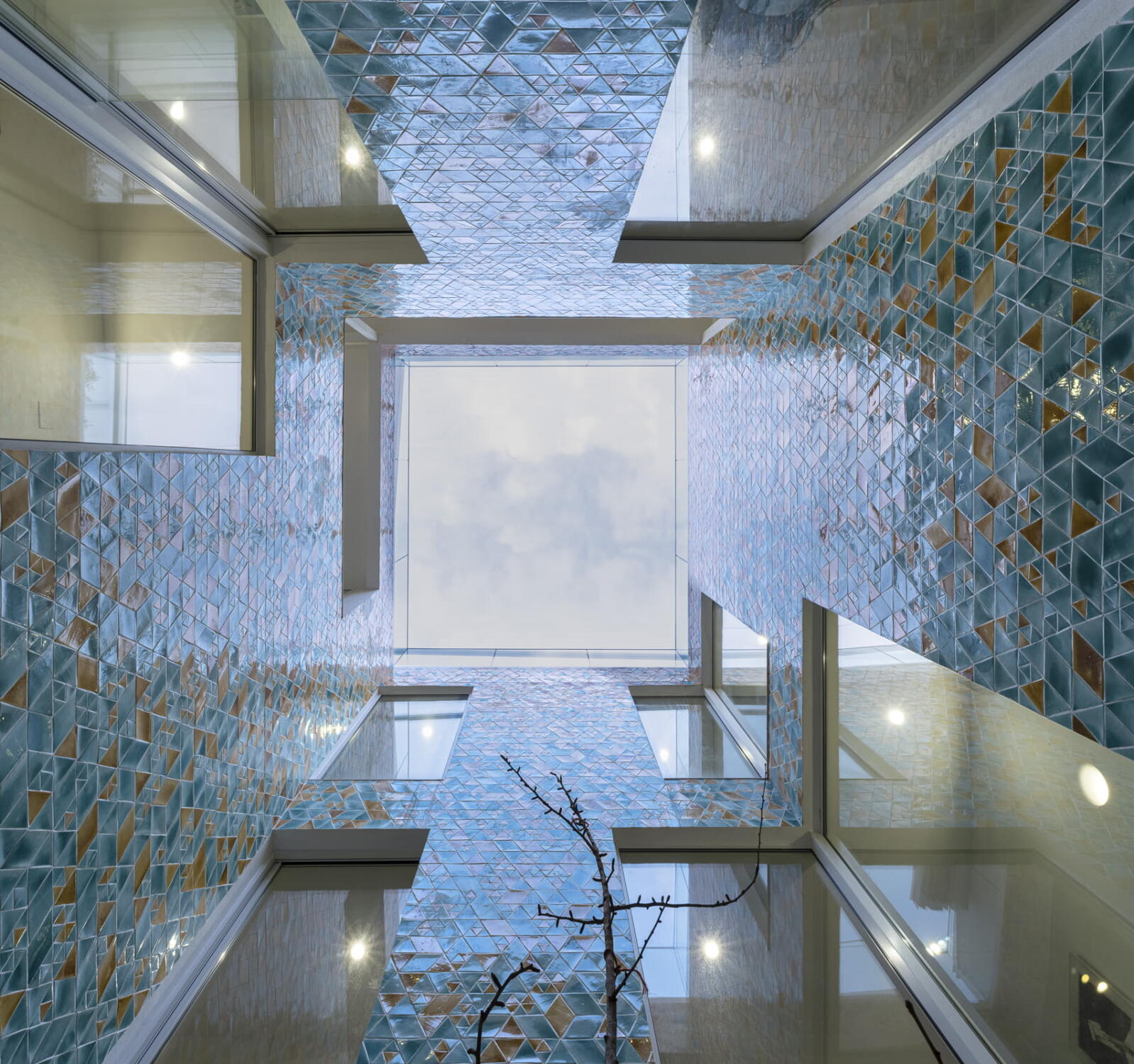
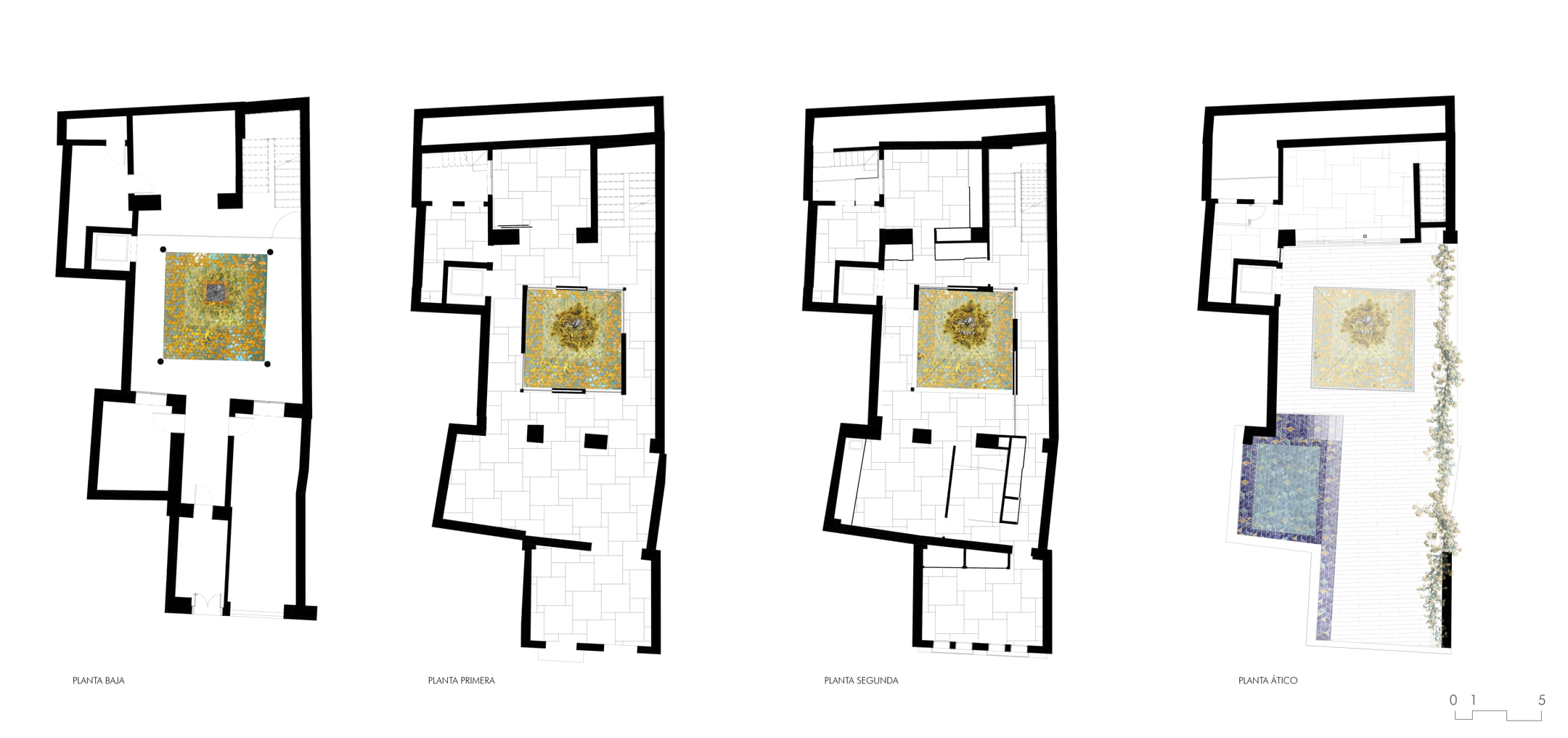
The project involves the rehabilitation of a heritage-protected dwelling located within the Historic Centre of the city of Seville. From its origin, the house was organized around a central courtyard, reflecting the strong cultural influence of its Roman and Muslim past, in which the courtyard symbolized the true heart of the home.
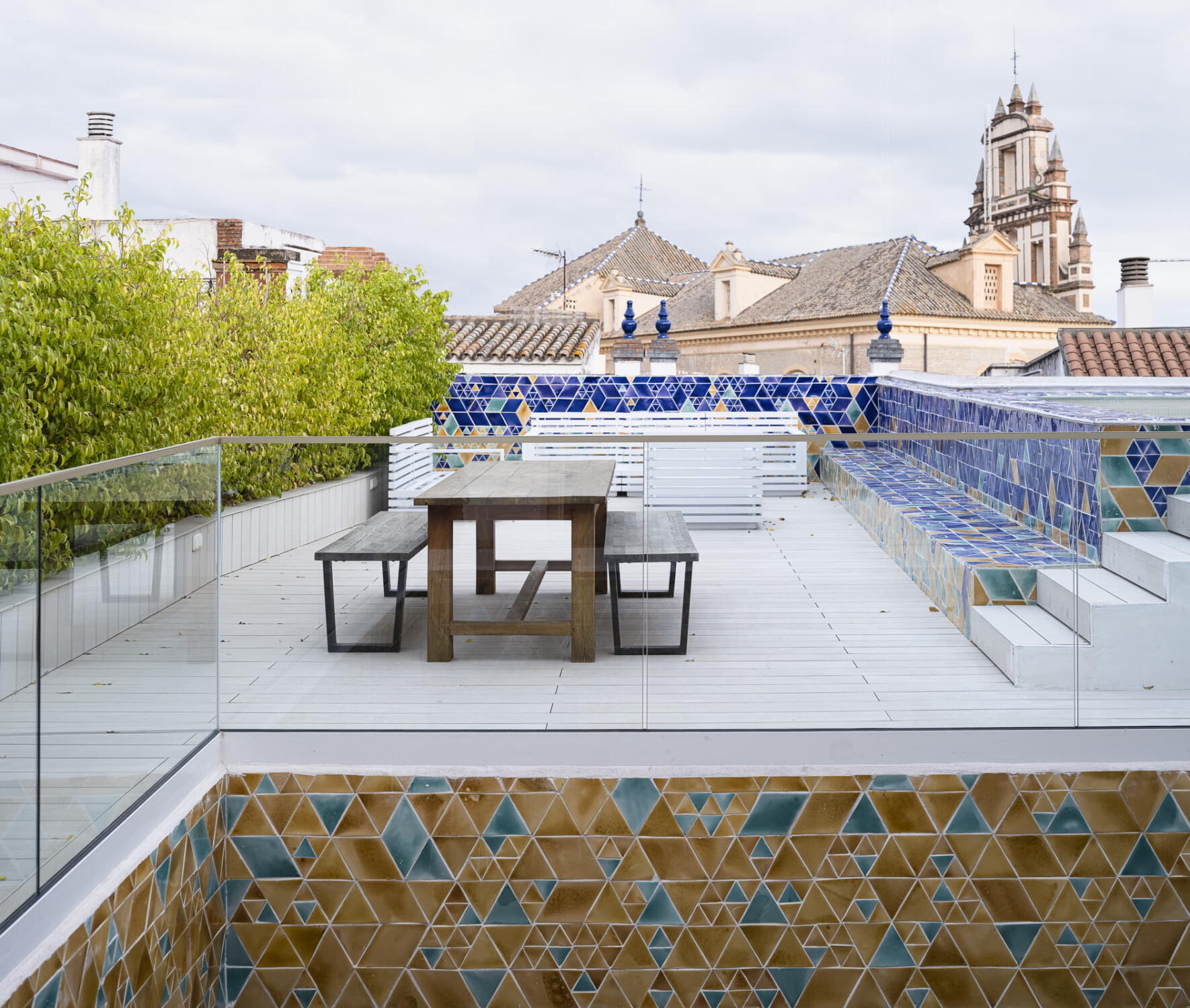
Through the historical analysis of the building’s evolution, it was identified that, during the mid-20th century, the courtyard had been covered with a glass and wrought-iron skylight, preventing direct natural ventilation through the upper galleries. As a result, the only high-quality outdoor space remaining within the house became its rooftop terrace.
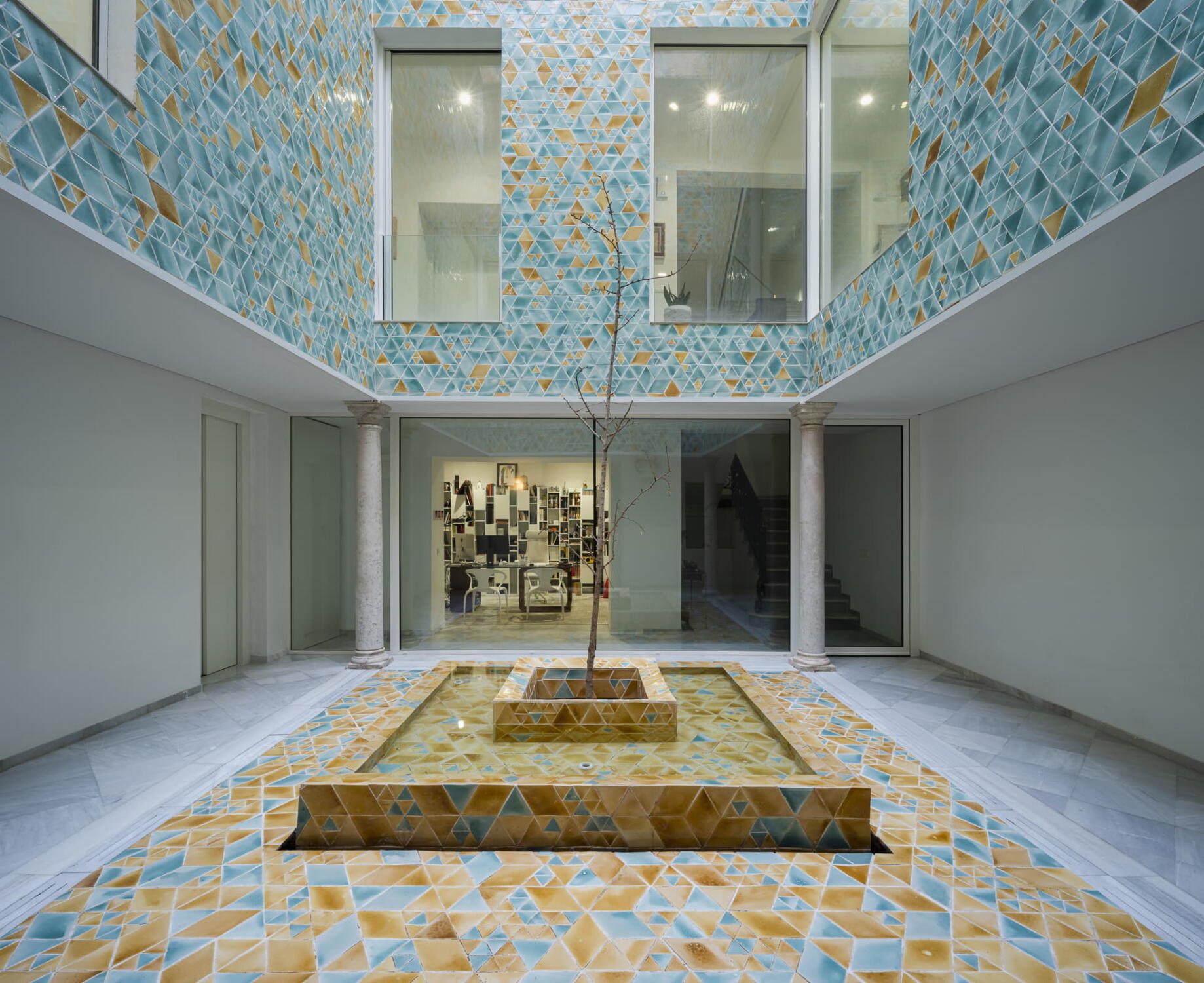
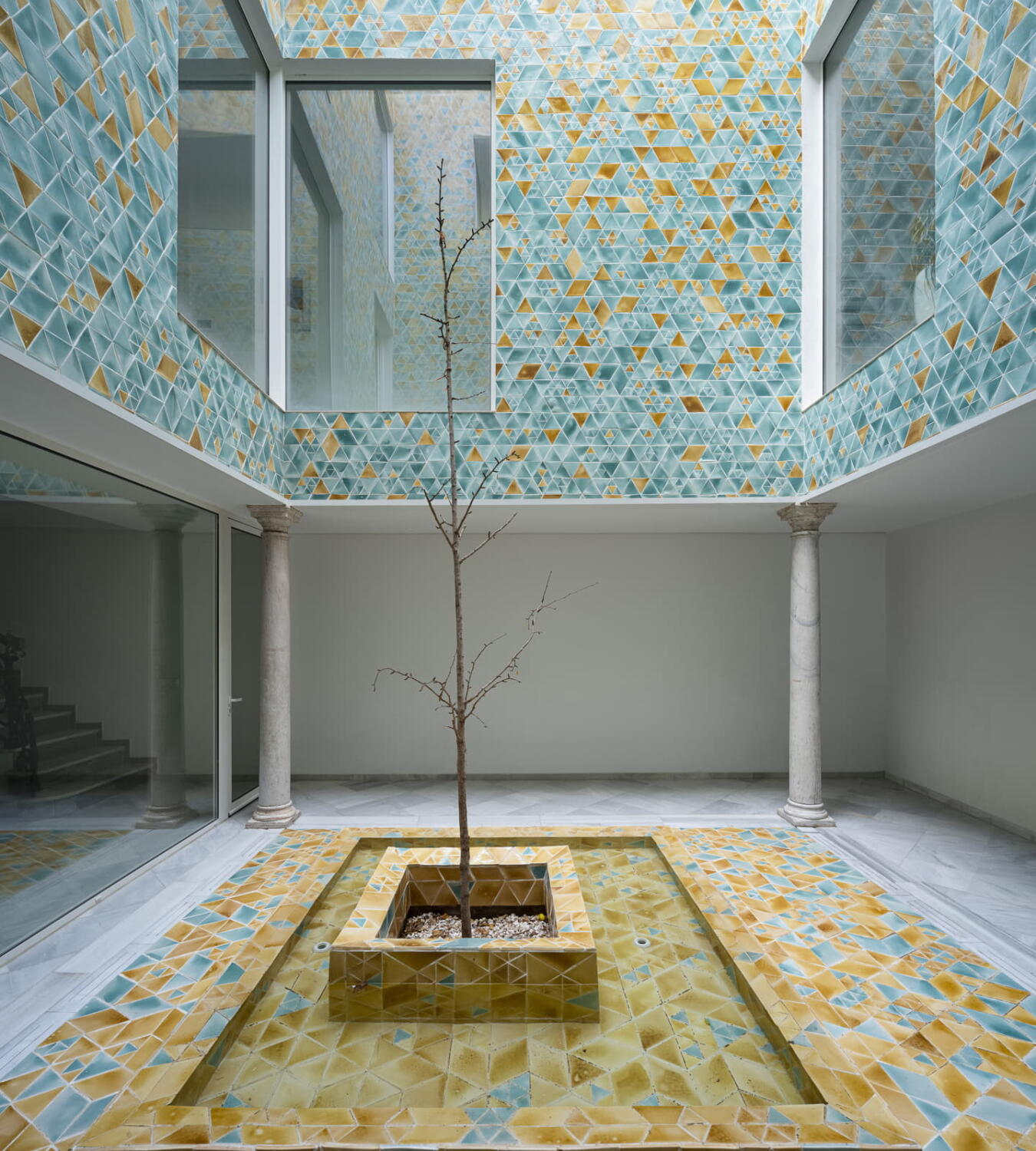
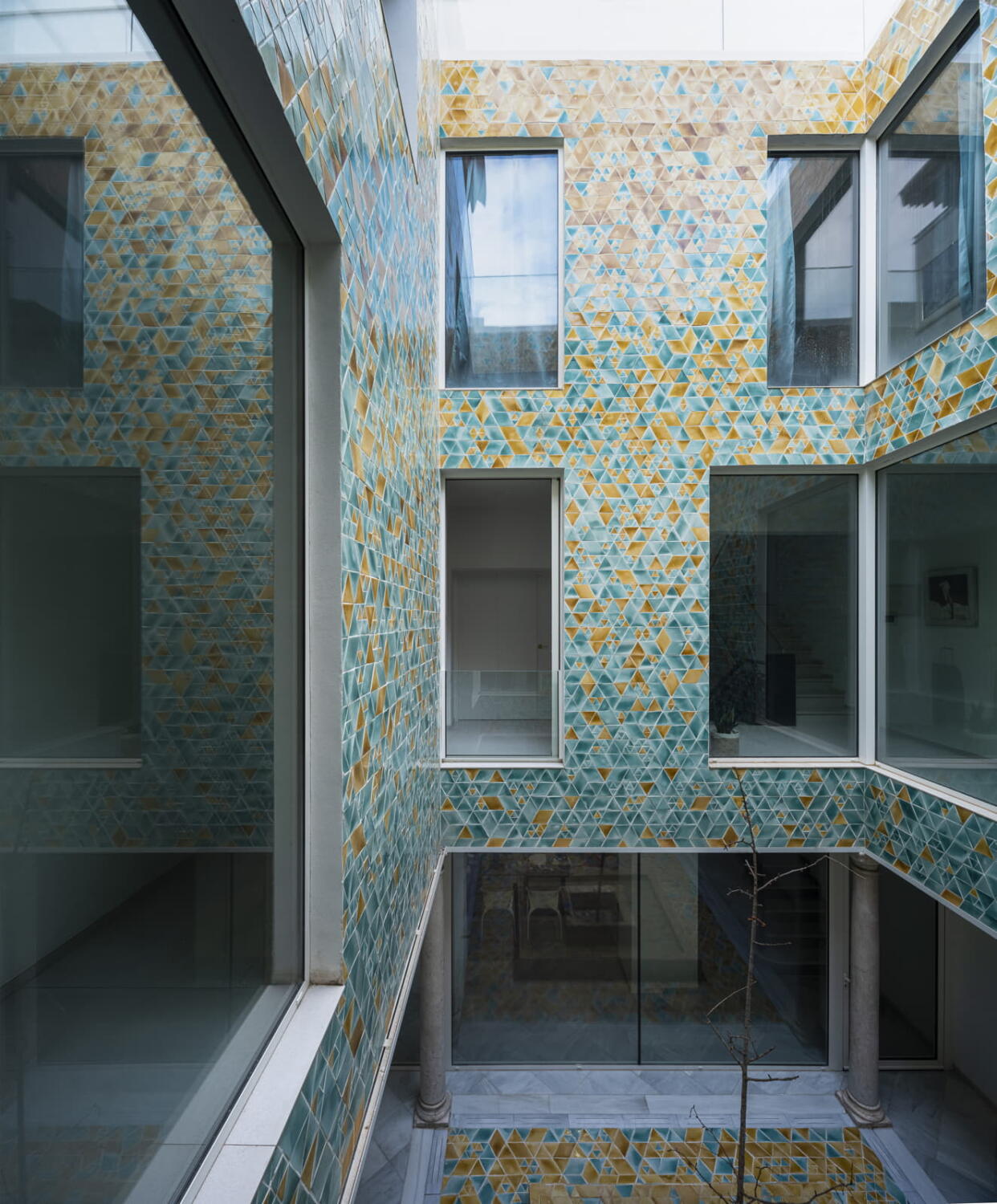
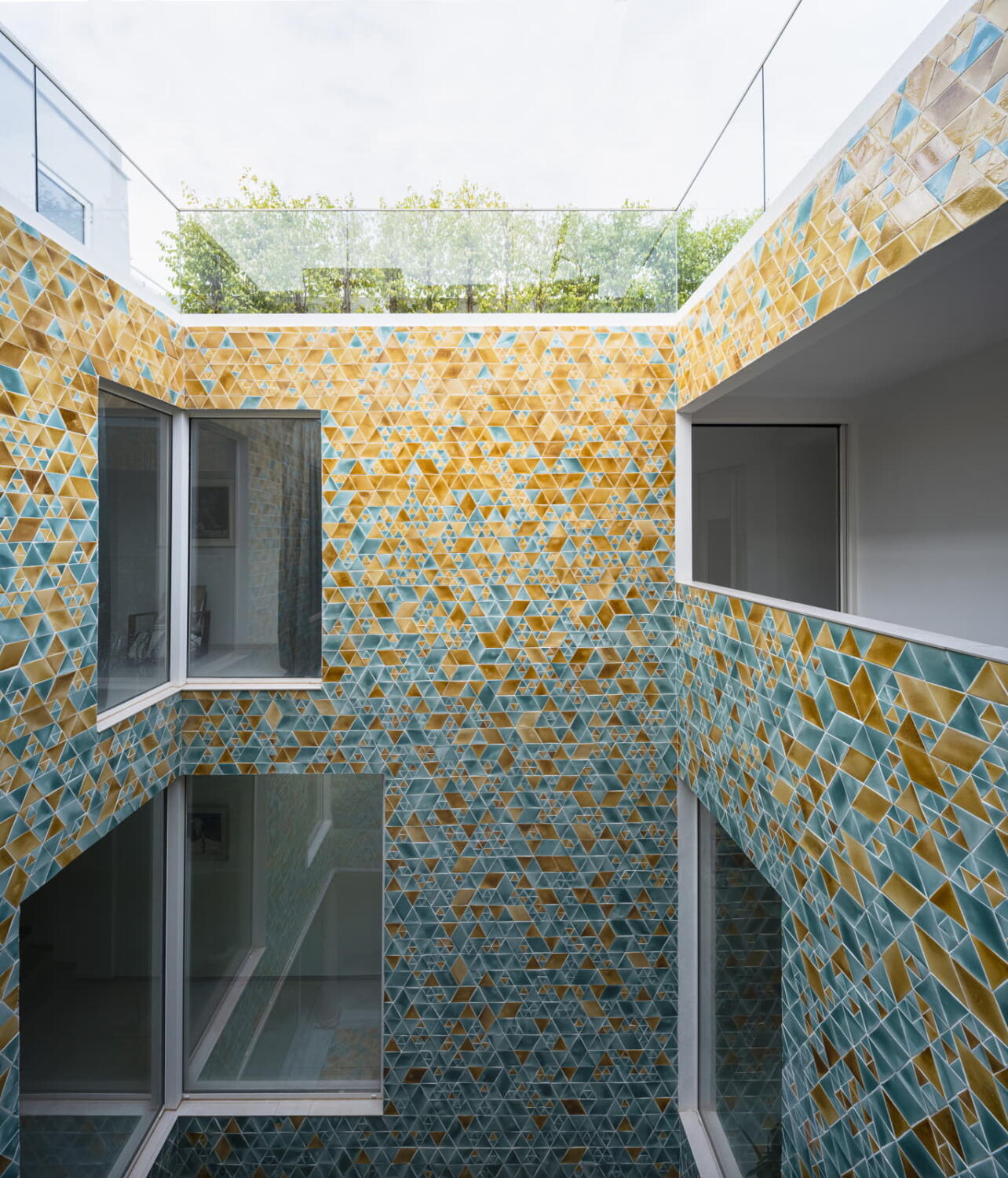
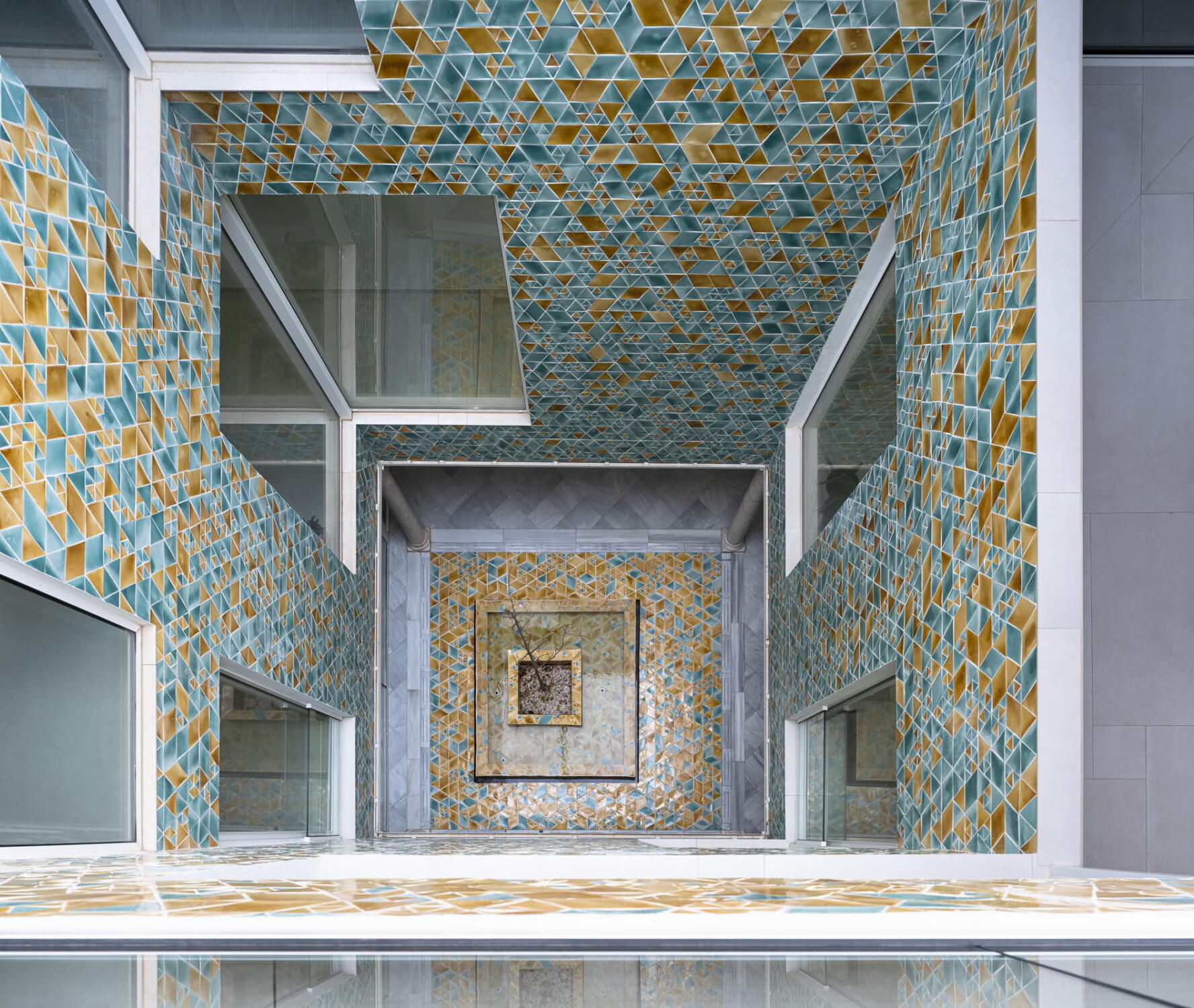
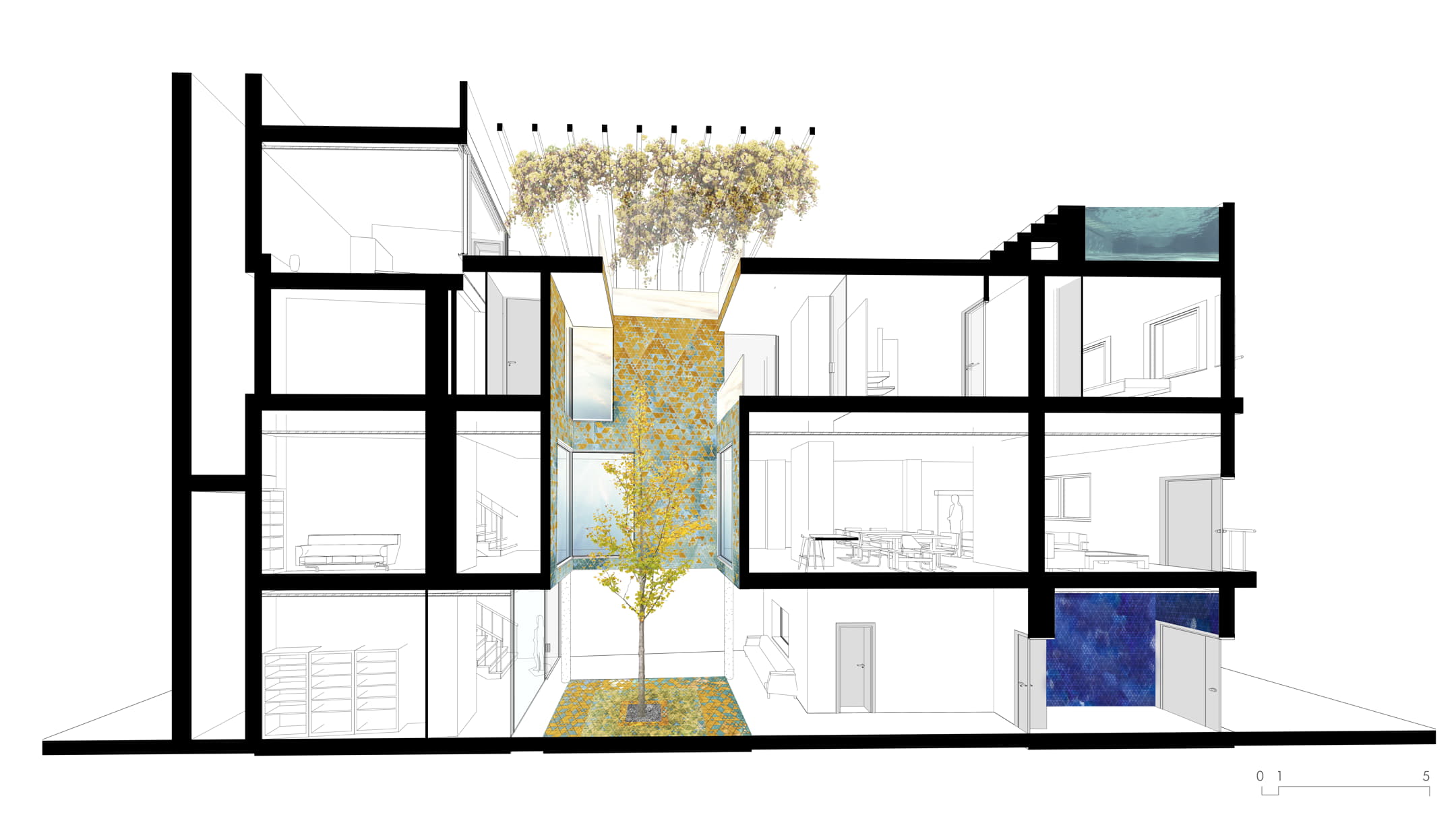
With the intention of restoring the courtyard’s cultural and spatial significance, while recovering the dwelling’s original natural ventilation and daylight conditions, the existing skylight is removed, a new tree is planted, and the fountain, once concealed beneath the renovated courtyard paving, is brought back to light.
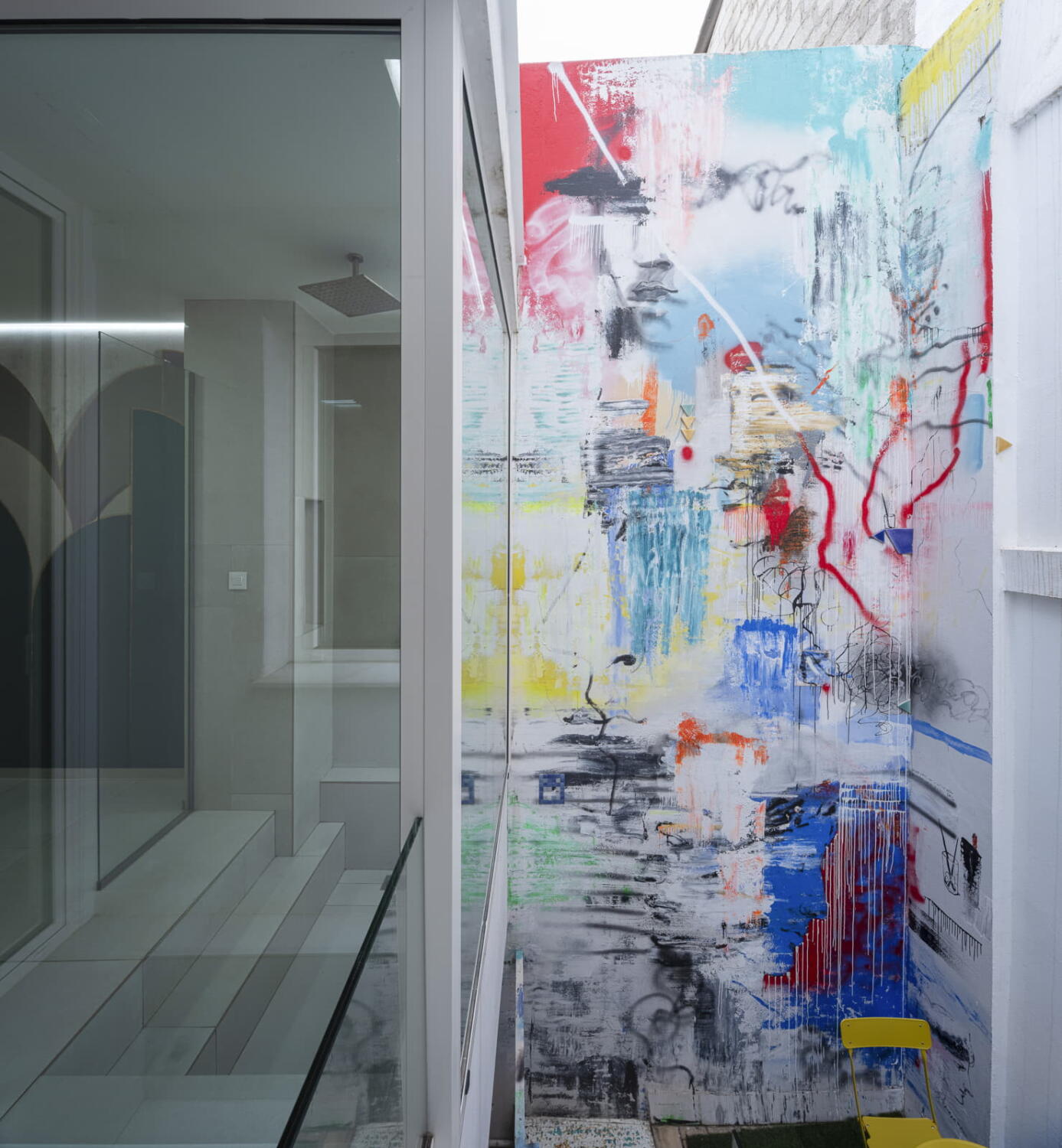
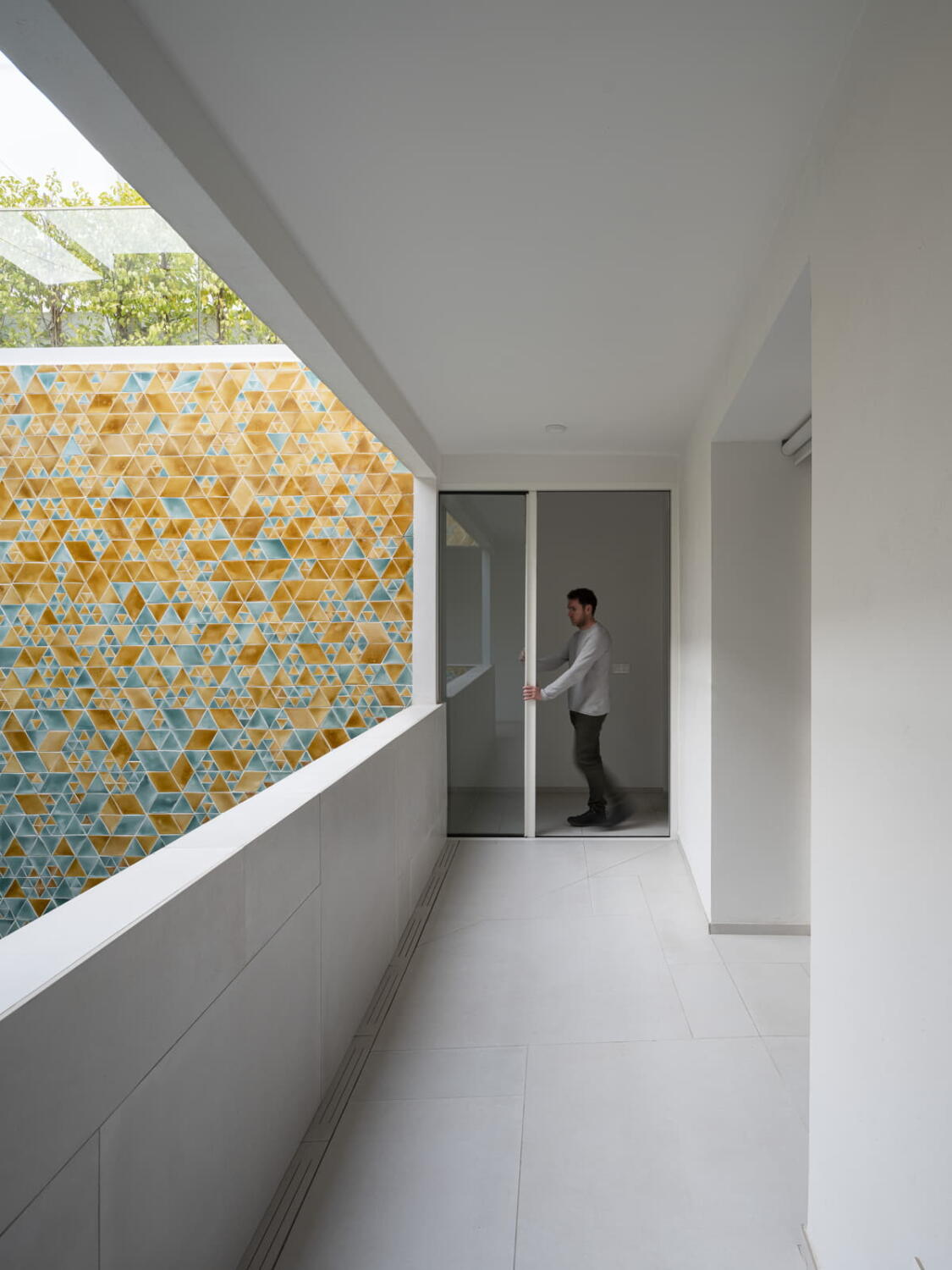
The project seeks to renaturalize and envelop the house with high-quality outdoor spaces capable of providing a warm and intimate atmosphere, a peaceful retreat for the living spaces of the home, through the recovery of the porticoed gallery, the courtyard, the fountain, the vegetation, and the materials that have characterized Andalusian patios for centuries.
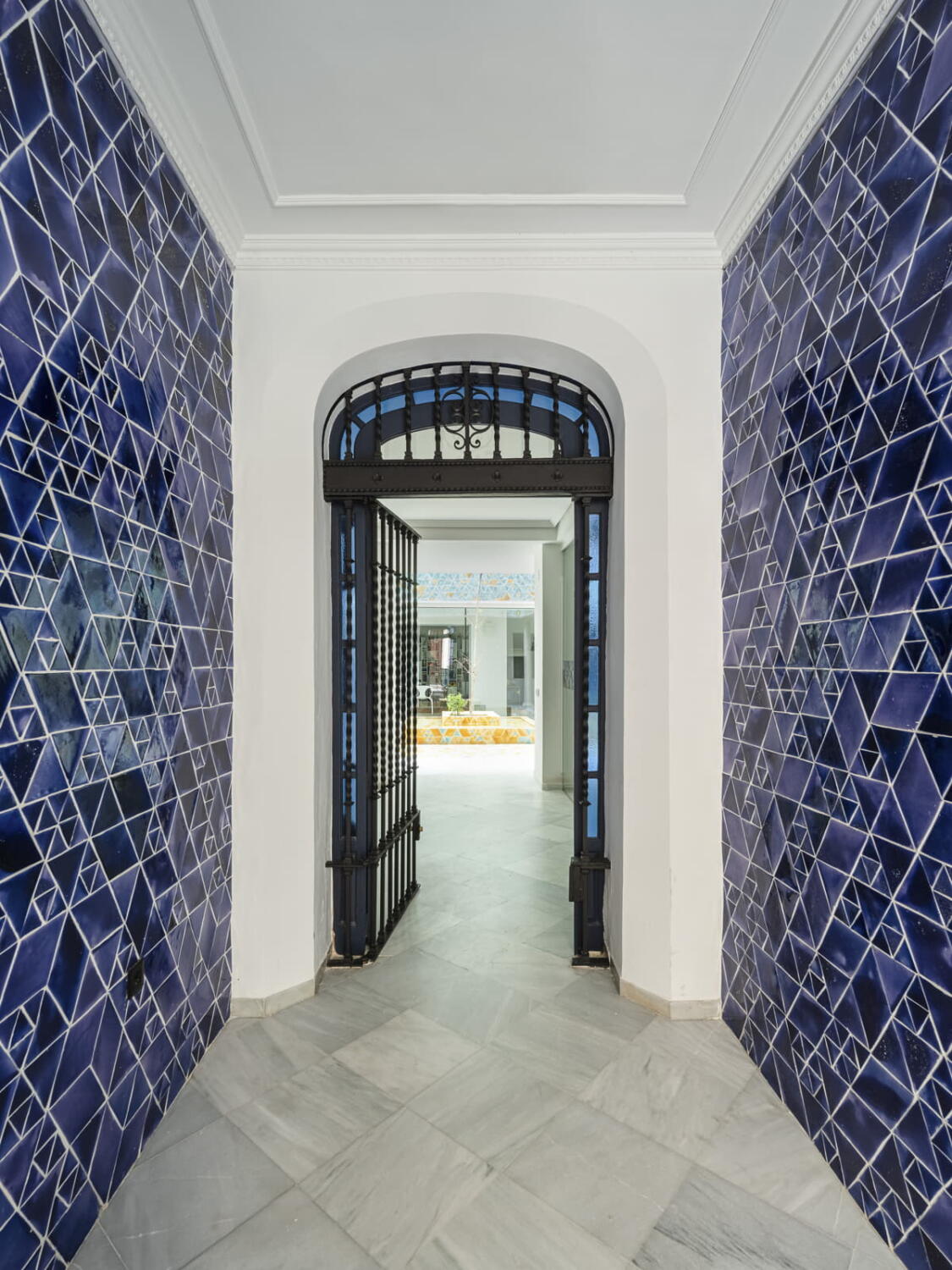
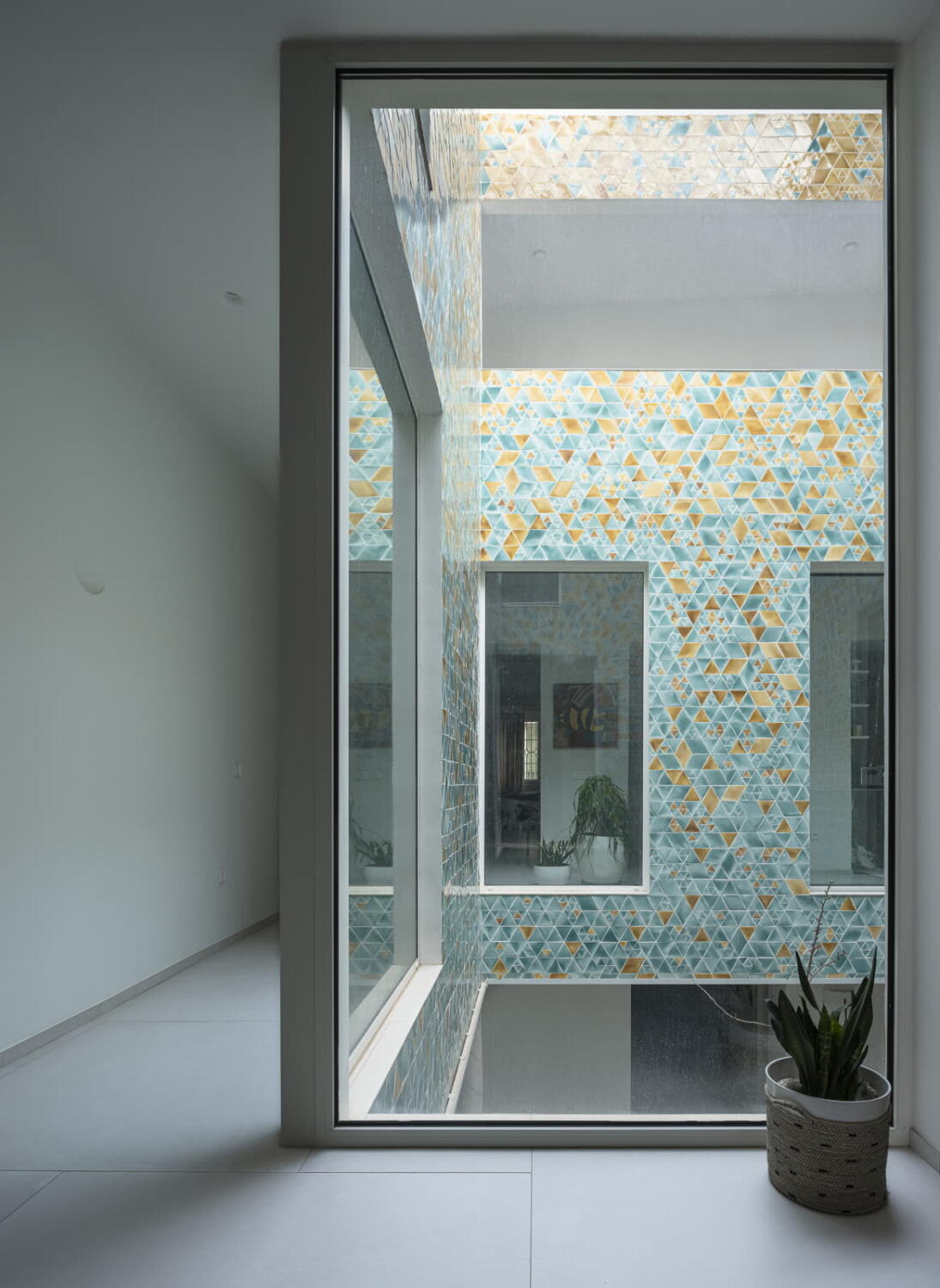
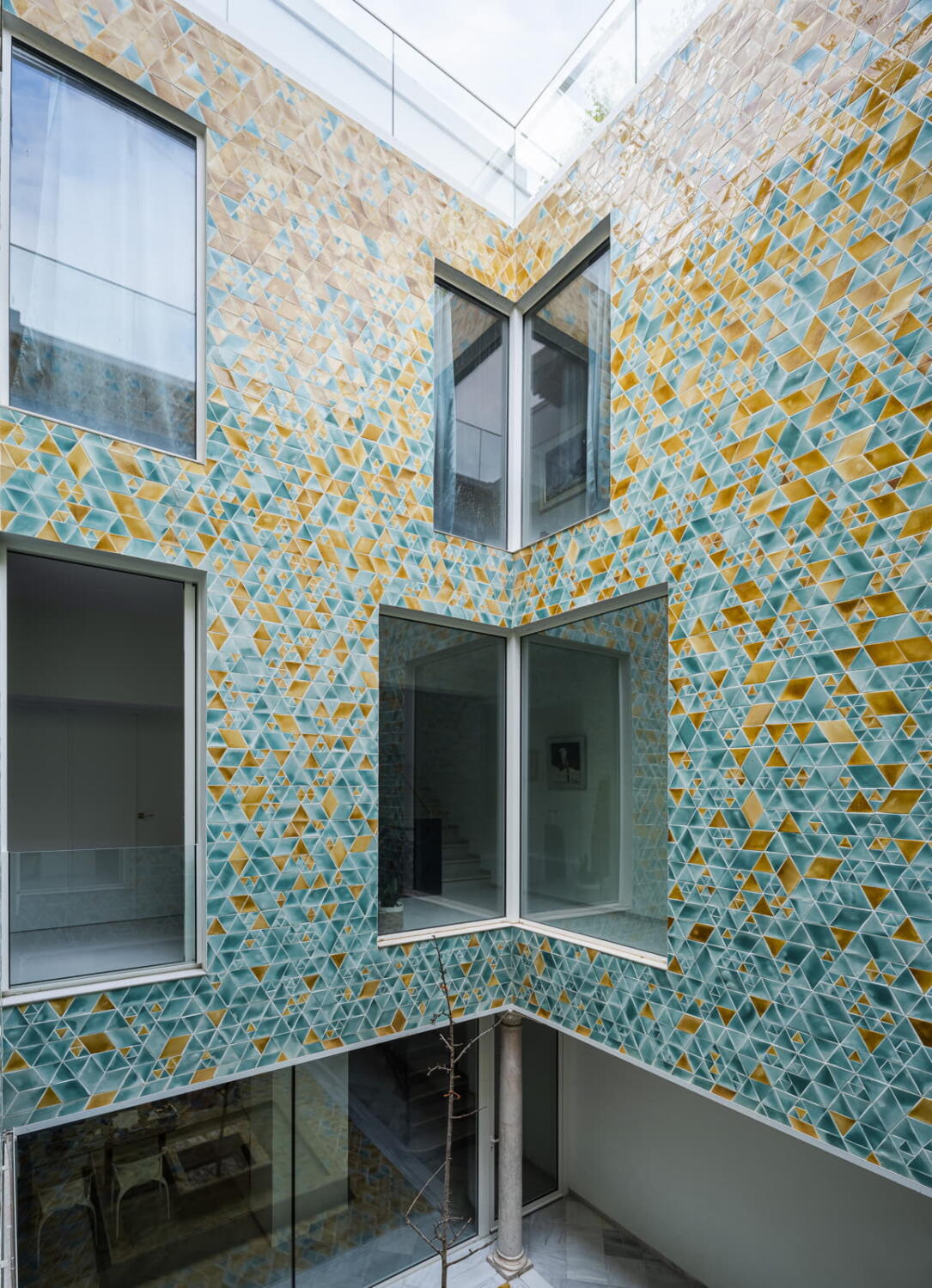
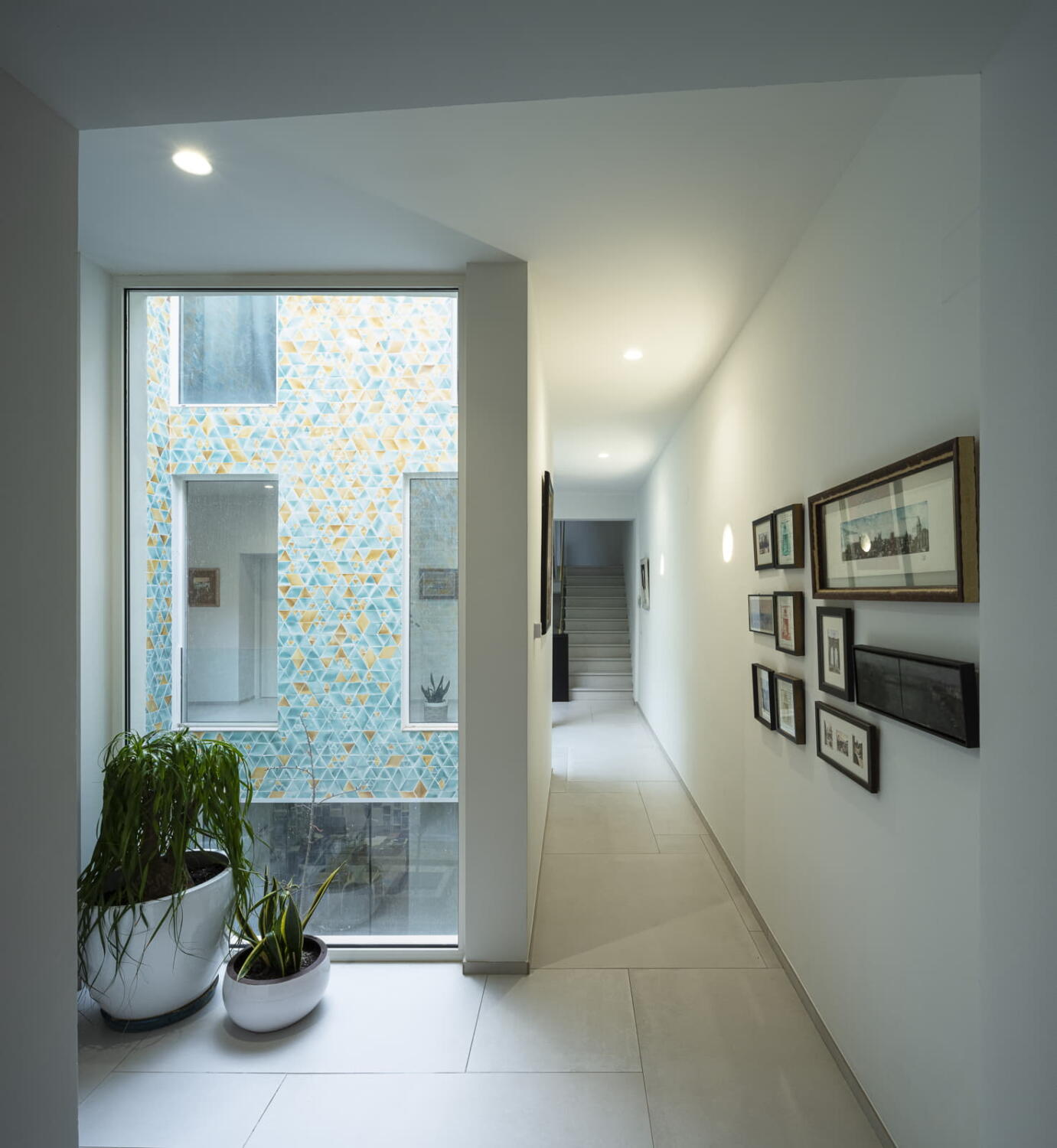
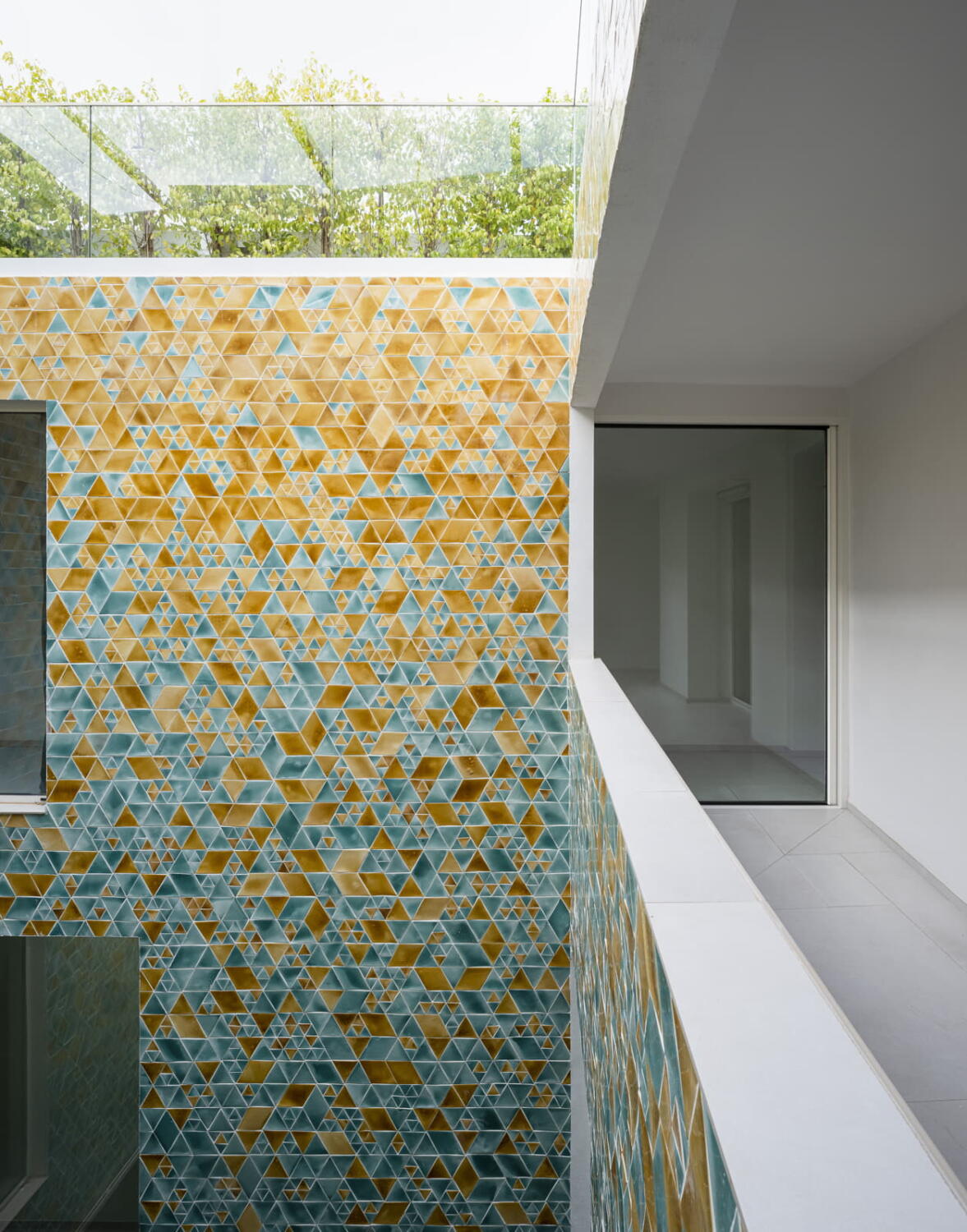
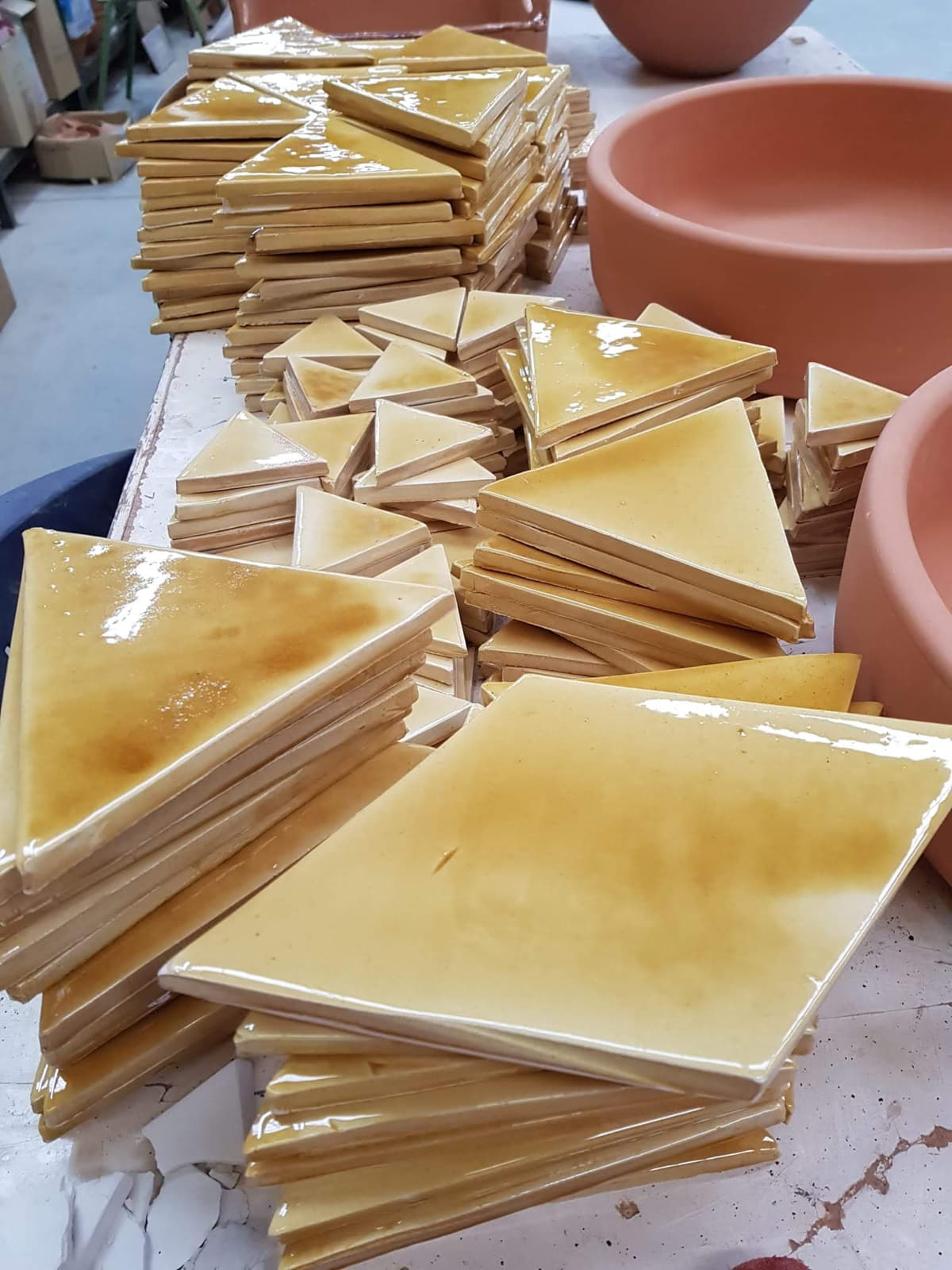
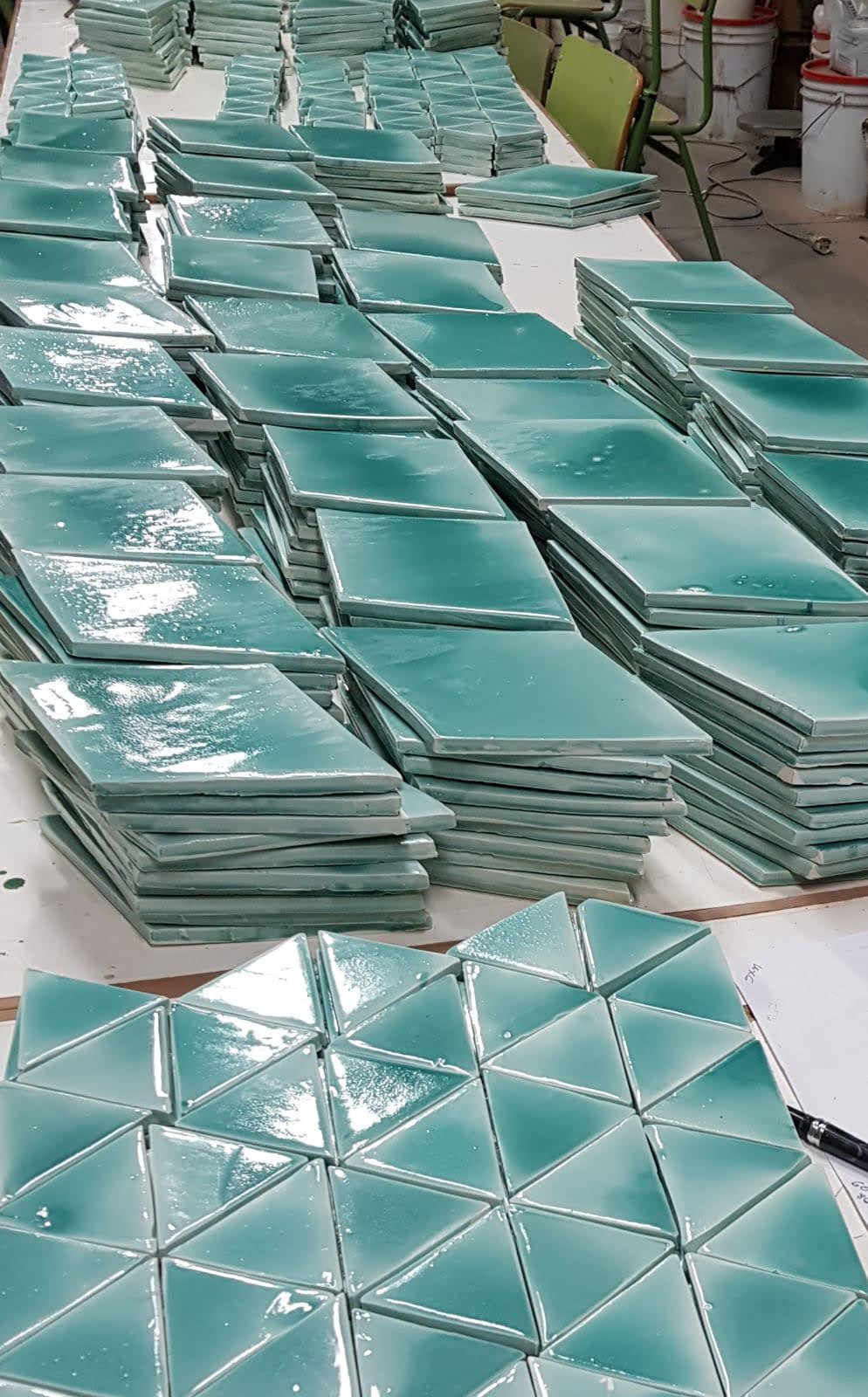
In order to visually connect these spaces, the project employs a continuous and unified language already present in traditional Sevillian courtyards: glazed ceramic tiles. Through a sequence of colours, mosaics, and textures, the intervention recalls the beauty of the city’s historic palaces, courtyards, and gardens.
This fully handcrafted glazed ceramic enhances the variations in light intensity according to the depth of the courtyard, while simultaneously evoking the chromatic gradients experienced by vegetation throughout the changing seasons.
CASA MELADA
El proyecto consiste en la rehabilitación de una vivienda con protección patrimonial en el Centro Histórico de la ciudad de Sevilla, la cual ya en su origen estaba organizada en torno a un patio central, fruto de la fuerte influencia cultural de un pasado romano y musulmán en el que el patio simbolizaba el auténtico corazón de la casa.
A partir del análisis histórico de la evolución de la vivienda, se pudo identificar que a mediados del Siglo XX dicho patio fue cubierto con una montera de vidrio y hierro forjado, impidiendo la ventilación natural directa a través de sus galerías superiores, obteniéndose como resultado que el único espacio exterior de calidad del edificio fuera la propia cubierta del mismo.
Con la intención de devolver a este espacio su valor cultural y espacial, recuperando la ventilación e iluminación natural original de la vivienda, se decide retirar la montera existente, plantar un nuevo árbol y recuperar la fuente que en su día quedó oculta bajo el pavimento reformado del patio.
El proyecto intenta renaturalizar y envolver la vivienda con espacios exteriores de calidad que aporten un entorno cálido e íntimo, un remanso de paz para los espacios vivideros de la casa, mediante la recuperación de la galería porticada, el patio, la fuente, la vegetación y los materiales que han caracterizado por siglos a los patios andaluces.
Para conectar visualmente estos espacios, se ha empleado un lenguaje único y continuo ya presente en los patios tradicionales sevillanos, la cerámica esmaltada, mediante un recorrido de colores, mosaicos y texturas que rememora la belleza de los palacios, patios y jardines históricos de la ciudad.
Esta cerámica esmaltada, de fabricación totalmente artesanal, potenciará las variaciones de intensidad lumínica según la profundidad del patio, evocando al mismo tiempo los gradientes cromáticos que la vegetación experimenta con el paso de las estaciones.